


Which Timber Merchants Offer Rot-Resistant Wood: A Complete Guide
Published on January 22, 2026
Posted in Advice & Reviews
by MKM
4 min read
Here's a question that lands in every timber merchant's yard at least once a day: "What wood won't rot?" It's usually followed by a story about a fence that lasted three years instead of thirty, or decking boards that turned spongy after one British winter. The truth is, rot-resistant timber isn't hard to find in the UK, but knowing which merchants stock what, and understanding the real differences between options, can save you from expensive do-overs.
At MKM, we've watched timber trends evolve. We've seen pressure-treated softwood become the backbone of British outdoor construction and helped countless customers navigate the gap between "naturally durable" marketing claims and actual performance. Knowing what's available, where the quality differences matter, and how to match timber to your specific project without overspending are all important things to consider when sourcing rot resistant timber.
What Actually Makes Timber Rot-Resistant?
- The Chemistry Behind Durability
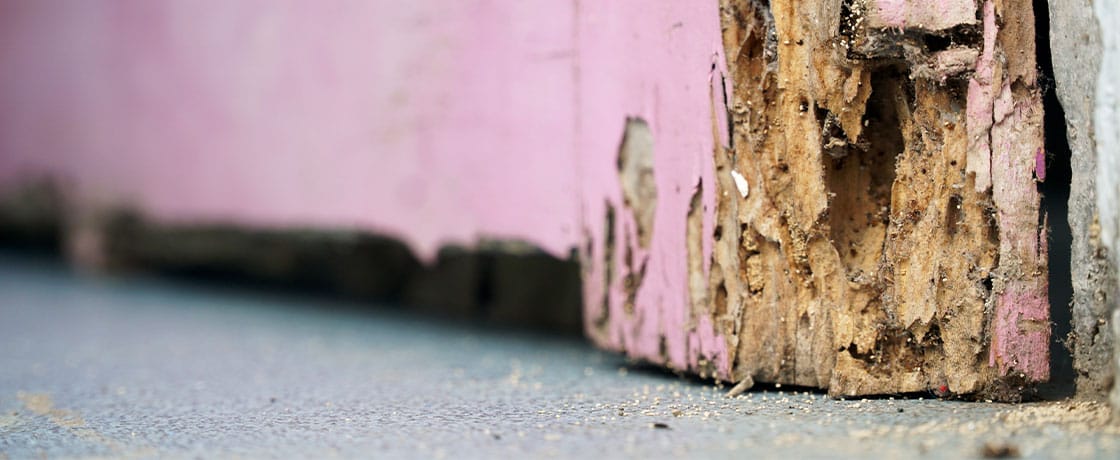
Rot happens when wood-destroying fungi find three things: moisture above 20% content, oxygen, and temperatures between 10-40°C. Britain provides this perfect environment for roughly nine months a year. Rot-resistant timber fights back in two ways: either through natural chemical defences (resins, oils, and tannins that fungi can't digest) or through pressure-impregnated preservatives that poison the fungal growth before it starts.
Here's what most merchants won't tell you: "rot-resistant" doesn't mean "rot-proof." Even Western Red Cedar will eventually decay if installed with poor drainage or trapped against damp masonry. The timber's job is to resist long enough that your project outlasts its intended lifespan, which brings us to the question of what merchants actually stock.
- Why Merchant Selection Matters More Than You Think
Not all timber merchants are equal when it comes to rot-resistant stock. Builders' merchants typically focus on volume pressure-treated softwood because that's what 80% of customers need. Specialist timber yards might stock exotic hardwoods but lack the structural sizes tradespeople require. MKM occupies the middle ground: we maintain working stock of both everyday treated timber and can easily order premium options like oak and cedar, because real projects often need both.
The merchant's treatment standards matter enormously. Pressure treatment quality varies wildly, with some operators using minimal preservative retention to hit price points, while others (including MKM's suppliers) exceeding British Standards for longevity. You can't see this difference by looking at timber, which is why merchant reputation becomes critical.
- The Use Class System Explained (Without the Jargon)
British and European standards rate timber from UC1 to UC5 based on exposure risk. For rot resistance, you only need to remember two numbers: UC3 means "exterior, above ground, exposed to weather" (think cladding, window frames, fascia boards). UC4 means "exterior, in ground contact or permanent dampness" (fence posts, deck subframes, raised bed sleepers).
Here's the mistake we see constantly: customers buy UC3-rated "exterior" timber for fence posts because it's cheaper, then wonder why posts rot at ground level within five years. UC4 costs more because it contains higher preservative loading, making it essential for ground-contact applications.
Who Stocks What: The UK Timber Merchant Landscape
Most customers assume all merchants stock the same products with minor price variations. The reality is more nuanced, as merchant type dictates range, and range determines what solutions you can actually build.
National Builders' Merchants
These chains excel at volume pressure-treated softwood in standard sizes. You'll find tanalised fence posts, decking boards, and structural timber reliably stocked. What you won't find: specialist species, bespoke milling, or staff who can discuss natural durability classifications in depth. Their strength is convenience and consistency, and if you need 50 treated 4x4 posts for a commercial fence run, they'll have them in stock today.
Independent Timber Specialists
Smaller specialist yards often stock interesting hardwoods such as Iroko, Sapele, Sweet Chestnut, but their focus typically leans toward joinery and furniture rather than construction volumes. They're excellent for custom cladding projects or heritage restoration but may not stock the treated structural timber your subframe requires. Lead times can stretch to weeks for specific sizes.
MKM: The Hybrid Approach
As an independent merchant network with national reach, MKM bridges these worlds. Our branches maintain working stock of pressure-treated construction timber alongside premium options like Western Red Cedar cladding and European Oak. The difference is accessibility: you can collect treated fence posts and cedar cladding from the same location, often same-day, without the premium markup that specialist yards command.
Our branch network also means local expertise, with staff who understand regional weather patterns, local building conventions, and which timber performs best in your specific postcode's conditions.
Decoding Rot-Resistant Timber Options
|
Timber Type |
Rot Resistance Mechanism |
Real-World Lifespan |
Best Applications |
What Merchants Don't Tell You |
|
Pressure-Treated Softwood |
Copper-based preservatives forced deep into grain |
15-30 years UC4 (ground contact) |
Fencing, decking subframes, landscaping |
Treatment quality varies hugely between suppliers; freshly treated timber can take 6-8 weeks to dry properly |
|
Western Red Cedar |
Natural thujaplicin oils repel fungi |
25-40 years above ground |
Visible cladding, sheds, gates, greenhouse frames |
Will grey naturally unless sealed; heartwood is durable, sapwood isn't—specify "clear grade" for best durability |
|
European Oak |
High tannin content creates hostile environment for fungi |
50-100+ years even in ground contact |
Structural beams, premium cladding, heritage work |
Green (unseasoned) oak will split and move dramatically as it dries; air-dried oak costs more but behaves better |
|
Accoya (Acetylated Pine) |
Chemical modification at cellular level prevents moisture absorption |
50 years above ground (guaranteed), 25 years ground contact |
High-performance joinery, critical exposure situations |
Dimensionally stable but more brittle than untreated wood; requires sharp tools and pre-drilling |
|
Thermowood (Heat-Treated) |
High-temperature process caramelises sugars fungi need |
15-25 years UC3 applications |
Cladding, non-structural decking, internal wet areas |
Chemical-free but becomes more brittle; not suitable for structural loads or fixings near edges |
|
Sweet Chestnut |
Natural tannins similar to oak |
25-40 years ground contact |
Rustic fencing, outdoor furniture, estate work |
Harder to source in construction sizes; splits easily if fixed through the face; cleft chestnut posts outlast sawn posts |
Most UK outdoor projects work perfectly well with pressure-treated softwood where hidden and cedar or oak where visible. The exotic options (Accoya, thermowood) justify their cost only when specific performance parameters demand them, such as dimensional stability for joinery, chemical-free treatments for sensitive environments, or ultra-long guarantees for commercial projects.
Budget Strategies That Actually Work
Here's how experienced builders and landscapers actually budget rot-resistant timber:
The Strategic Specification Approach
Pressure-treated softwood (UC4) for everything structural and hidden: deck subframes, fence posts, gate frames, base rails. This is where 70% of your timber volume goes and where rot resistance matters most for structural integrity. At MKM, our treated structural range covers everything from 47x75mm battens to 200x200mm posts.
Step up selectively for visible horizontal surfaces: decking boards see foot traffic, UV exposure, and standing water. This is where grooved pressure-treated decking or thermowood justifies the upgrade from basic treated batten. The cost differential affects maybe 20% of total timber volume but delivers 80% of the aesthetic impact.
Premium investment for architectural features: if your project includes feature cladding, exposed beams, or bespoke joinery, this is where Western Red Cedar or European Oak makes sense. You're buying both durability and appearance, and these elements define the project's character.
The Hidden Cost Most People Miss
Cheap pressure-treated timber often requires replacement fixings, additional coatings, and more frequent maintenance. Premium naturally durable timber costs more upfront but accepts a wider range of finishes, won't corrode stainless steel fixings, and requires minimal maintenance beyond occasional cleaning. Over a 20-year lifecycle, the total cost difference shrinks dramatically.
At MKM, we help customers calculate this properly rather than just comparing per-metre prices. Sometimes the "expensive" option is actually the economical choice when you factor in labour for future repairs.
Practical Realities of Working with Rot-Resistant Timber
Fresh Treatment Needs Time
Pressure-treated timber leaves the treatment plant soaking wet with preservative solution. Installing it immediately creates problems: shrinkage gaps appear as it dries, fixings loosen, and surface coatings won't adhere properly. Professional installers air-stack treated timber for 4-6 weeks before installation when possible. If you can't wait, at minimum let fence posts air-dry for a week, and they'll be much easier to handle and set more securely in concrete.
Cut Ends Are Your Weak Point
Every time you saw through pressure-treated timber, you expose untreated wood at the cut face. Fungi love these entry points. End-grain preservative takes 30 seconds to brush on and adds years to timber life. Do this for every cut, notch, and drilled hole, especially on horizontal surfaces where water can sit.
The Fixings Must Match the Timber
Oak's tannins react with ferrous metals, creating black staining and accelerated corrosion. Pressure-treated timber's copper-based preservatives do the same thing. Stainless steel (A2 or A4 grade) or hot-dipped galvanised fixings aren't optional for exterior rot-resistant timber, they're essential for the system to work. Zinc-plated "exterior" screws will corrode within two winters.
Drainage Beats Chemistry Every Time
Even UC4-rated timber will rot if permanently waterlogged. Design details matter: space deck boards 5-6mm apart for drainage, don't trap timber against masonry without a ventilation gap, slope horizontal surfaces slightly for water runoff, and use post supports rather than burying posts directly where possible. Good detailing extends timber life more than upgrading treatment levels.
Why not browse our selection of drainage options?
Natural Timber Will Move, So Plan for It
Green oak shrinks and splits dramatically as it dries. This is normal and expected. Cedar's light density makes it prone to cupping if exposed to uneven moisture. Accoya barely moves at all but costs accordingly. Understanding these characteristics prevents specification mistakes. Don't choose oak for tight-tolerance joinery unless it's kiln-dried. Don't expect cedar cladding to stay perfectly flat without adequate fixing intervals.
Why MKM for Rot-Resistant Timber?
The honest answer: because we stock what real projects actually need, not just what looks good on a website. Our timber range includes everyday pressure-treated posts and premium air-dried oak because most substantial outdoor projects need both.
We're also independent enough to stock products based on performance rather than margin pressure. When Accoya makes sense for a project, we'll recommend it. When pressure-treated pine does the job perfectly well, we'll say that too. After decades supplying trade customers who return if products fail, we've learned that honest specification builds better long-term relationships than maximising every transaction.
Ready to Source Your Timber?
Visit your local MKM branch to discuss specific project requirements with staff who've actually used these materials on real builds. Bring sketches, measurements, and exposure details—we'll help match timber type and treatment level to your application and budget.
For project planning, browse our complete timber range online to compare options and specifications. Whether you're a professional contractor specifying for a commercial project or a homeowner planning your first deck build, MKM provides the timber quality, technical knowledge, and reliable supply that prevents expensive mistakes.