


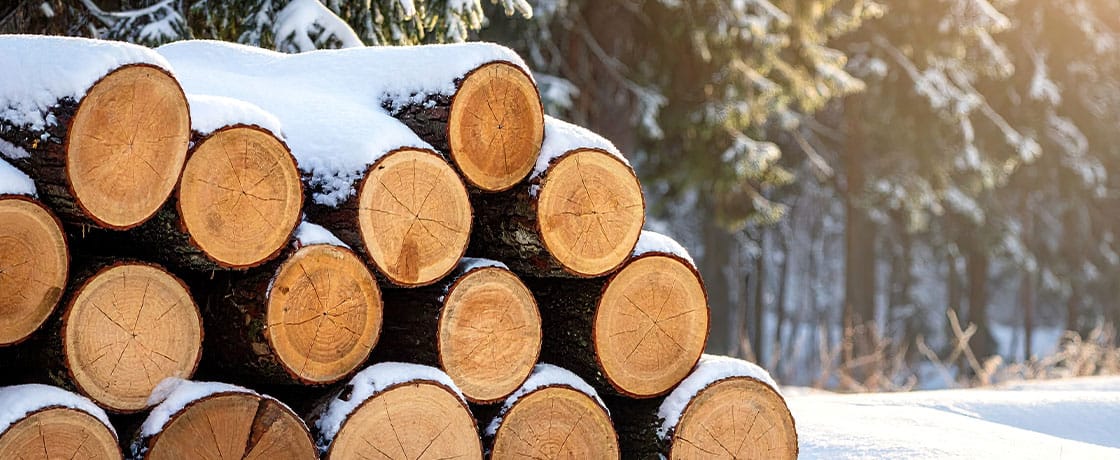
Timber That Can Take the Heat: Choosing Wood for Extreme Temperatures
Published on January 22, 2026
Posted in Advice & Reviews
by MKM
5 min read
Whether you're braving frosty winters, baking summers, or both, choosing the right timber is vital for your project's long-term performance. Temperature extremes can cause warping, cracking, and even structural failure, unless you know which species and treatments can stand up to the challenge.
From cladding a cabin in the Highlands to building decking that'll survive summer heatwaves, the timber you choose makes all the difference. So what should you look for when selecting wood for extreme temperatures? We'll walk you through the key factors, the best species for tough climates, and the practical advice that'll help your build last, whatever the weather throws at it.
What to Look For in Timber for Temperature Variation
1. Dimensional Stability
When temperatures swing, timber expands and contracts. Stable species like Western Red Cedar and Accoya barely budge, making them perfect for exterior cladding, windows, or decking that needs to stay flush and tight over time. Accoya is up to 75% more stable than untreated softwoods like pine, which is why it's become the go-to choice for precision joinery in demanding climates.
2. Moisture Content Matters
Timber that is too wet when installed is more likely to warp in heat or split in freezing weather. That's why MKM's C16 and C24 pressure-treated timbers are typically kiln-dried first to reduce internal moisture content and prep them for the outdoors. Rule of thumb: install timber with moisture content below 18% for cold climates, and around 12–14% in hot, dry zones.
3. Natural Oils and Resins
Some trees are just built tougher. Larch , for example, contains dense resins that help repel moisture and reduce the risk of frost damage. These oils act as built-in protection, which is especially useful where freeze-thaw cycles are a regular visitor. The timber's natural chemistry means it continues protecting itself even after years of exposure.
4. Movement and Expansion
Hardwoods like European Oak have naturally low movement rates, meaning they're less likely to expand, contract, or twist with temperature changes. That makes them ideal for structural applications or exposed installations with tight tolerances. When you need timber that won't let you down in variable conditions, low-movement species save callbacks.
5. Engineered Solutions
Not all resilience is natural. Thermally modified timber (like Thermowood) is heat-treated to improve durability, stability and water resistance, without adding chemicals. It's a great option for locations with both hot summers and freezing winters, offering the stability of tropical hardwoods at a fraction of the environmental cost.
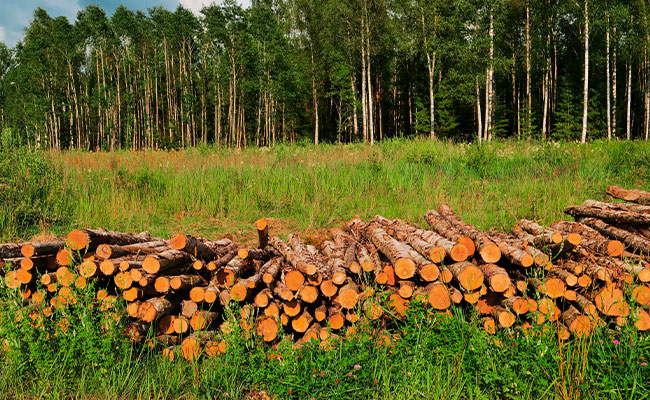
Which Timber Works Where?
Here's how the top timber species stack up for extreme conditions:
|
Timber |
Best For |
Benefits |
Ideal Use |
|
Cold climates, freeze-thaw |
High resin content, good stability, tough as nails |
Cladding, decking, landscaping |
|
|
Seasonal shifts, dry heat |
Lightweight, stable, naturally insect- and moisture-resistant |
Cladding, sheds, garden rooms |
|
|
All extremes |
Ultra-stable, 50-year above-ground guarantee, low maintenance |
Joinery, cladding, windows, decking |
|
|
Hot summers, cold winters |
Chem-free, very stable, resists water |
Saunas, garden buildings, cladding |
|
|
European Oak |
Hot summers, mild winters |
Low expansion, durable, timeless look |
Structural frames, exposed beams, doors |
Note: Product availability varies by branch. Contact your local MKM for specific stock and custom order options.
Budget Breakdown: Smart Spending in Harsh Conditions
|
Tier |
Timber |
Why It Works |
Best Use |
|
Budget |
C16/C24 Pressure-Treated Softwood |
Affordable, treated to resist moisture |
Framing, posts, fencing in cold areas |
|
Mid-Range |
Low maintenance, good durability, great appearance |
Cladding, decking, visible framing |
|
|
Premium |
Longest life, minimal movement, low lifecycle cost |
Joinery, feature cladding, architectural builds |
Tip: The upfront cost of premium timber is often offset by reduced maintenance and longer service life, especially in harsh climates. When you factor in replacement costs and labour, investing in stability pays for itself.
Practical Advice from the Yard
- Let timber acclimatise before installation. Store it at job site temps for 72 hours before fixing. This simple step prevents immediate movement that can cause splits or gaps right after installation.
- Leave expansion gaps: 5–8mm for decking and cladding to allow for movement. Even stable timber species need room to breathe as humidity and temperature fluctuate throughout the seasons.
- Use the right fixings: Go stainless steel or hot-dipped galvanised. Avoid zinc-plated screws as they'll corrode fast, especially in freeze-thaw conditions where moisture is constantly present.
- Apply end-grain treatment on every cut face, notch, or drill hole, especially on pressure-treated timber. The end grain is where moisture enters, so seal it with appropriate preservative to maintain protection.
- Avoid installing frozen or sun-baked timber, as it will inevitably cause rapid expansion or contraction, which can cause cracks or gaps. Wait for moderate conditions, and you'll get better results and fewer callbacks.
- Orient boards with the grain curve down for better moisture-shedding and reduced cupping. The bark side (rounded growth rings) should face up to naturally shed water rather than cup and collect it.
- Source locally acclimatised stock when possible. Timber stored outdoors at your local MKM branch has already begun adjusting to regional conditions. This reduces on-site acclimatization time and minimises installation problems.
Timber for Specific Climates
Extreme Cold
Use Larch or pressure-treated softwoods for projects facing regular sub-zero temperatures. Keep moisture content below 18% before installation to prevent ice formation within the wood structure. Prioritise drainage and good fixings. Freeze-thaw movement causes fast failures at connection points where stress concentrates.
Extreme Heat
Use Western Red Cedar or Accoya for prolonged high temperatures and low humidity. Choose lighter-coloured timbers or finishes to reduce heat absorption and thermal stress. Watch out for brittleness in very dry climates as timber moisture content dropping below 12% can cause surface checking.
Hot and Cold Swings
Thermowood and Accoya are engineered to handle both extremes, making them ideal for continental climates or exposed UK locations with wide seasonal temperature ranges. Allow for movement in every detail with cladding clips, deck board spacing, expansion joints, even though these species are more stable than untreated alternatives.
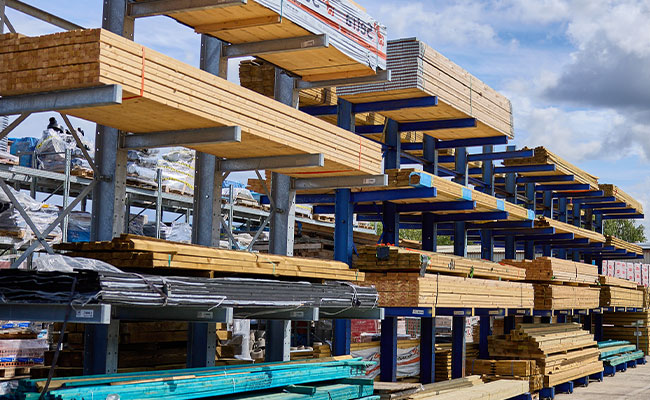
Why Choose MKM for Timber in Harsh Climates?
At MKM, we don't just stock timber, we understand what it takes to make it last. From pressure-treated structural timber and Larch to Accoya and Cedar, we offer solutions that are built around your climate, your budget, and your build.
Our teams know how real timber behaves when the weather turns. Whether you're specifying materials for a coastal property facing salt spray and temperature swings, or building in an exposed Highland location where freeze-thaw cycles are routine, we'll help you select timber that performs year after year.
Need help specifying timber for a tough climate? Visit your local MKM branch and speak to our timber specialists, or explore our full range of timber and sheet materials online at MKM.com. Whether it's for a sun-beaten deck or a snow-covered frame, we'll help you build it right the first time.