


Future Homes Standard: Lessons from Large Builders
Published on April 9, 2026
Posted in Advice & Reviews
by MKM
4 minutes min read
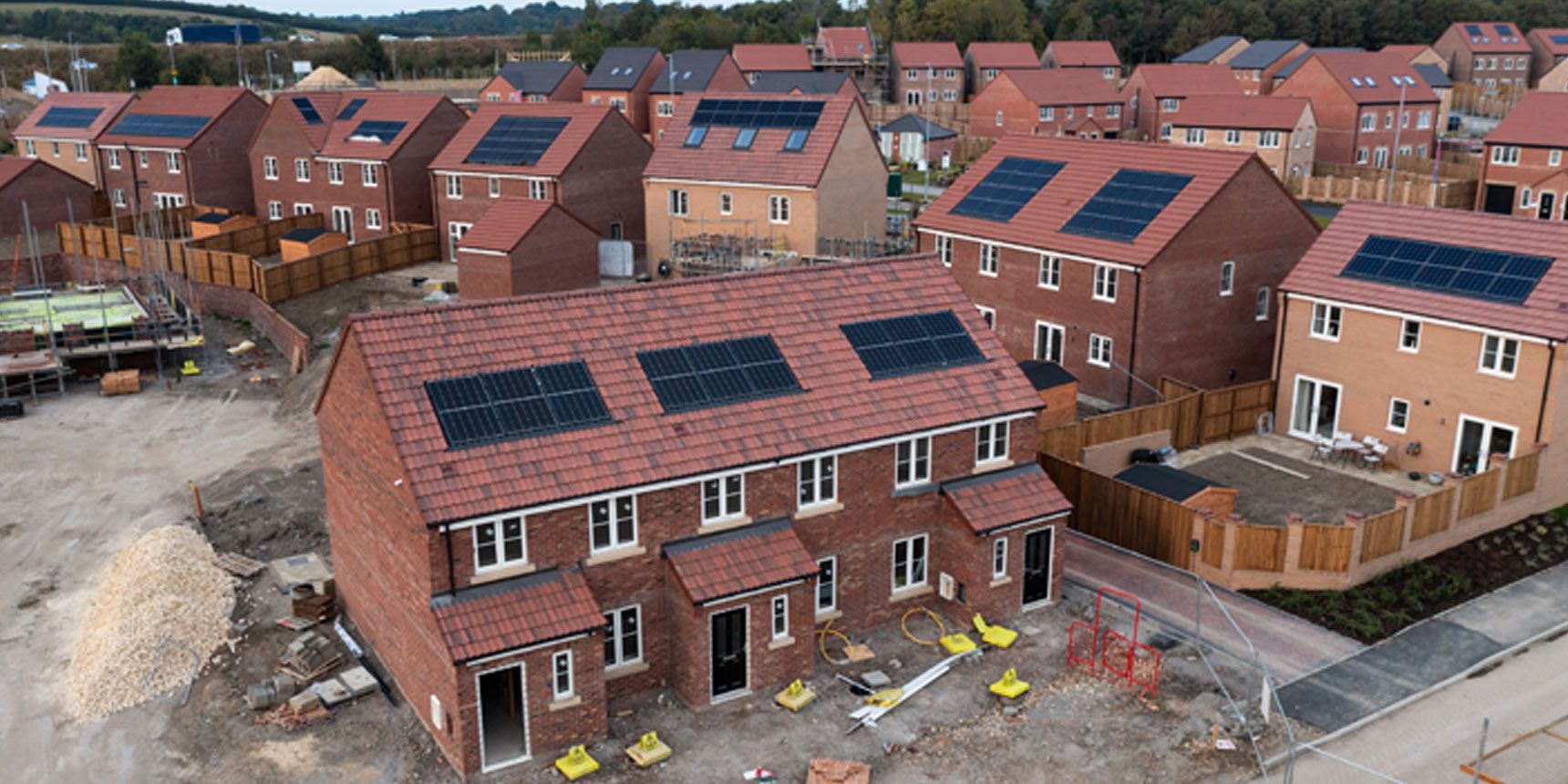
The Future Homes Standard (FHS) isn’t some far‑off idea anymore, designed to cut carbon emissions from new homes by approximately 75 - 80% compared to current standards, the new regulations aren’t just about compliance, they’re about reshaping how we design, build and hand over homes for the next generation.
While the regulations might not bite just yet, the direction is crystal clear: new homes are going low‑carbon, all‑electric, and better insulated by default.
Here’s what you can learn from the builders who are already doing this at scale.
To help the sector prepare, the Future Homes Hub has pulled together findings from a range of demonstrator projects built by some of the UK’s largest developers. We’ve looked at these lessons coming back from large developers who’ve been building Future Homes Standard‑ready homes, and there are some clear patterns. None of this is theory. It’s what’s working (and not working) on real sites, with real customers.
Take an inside look at what the best performers are doing, and what you and your team can take from it.
1. You’ve Got to Be All In
The builders who get the best results don’t treat low‑carbon homes as a box‑ticking exercise. They make an early decision that “this is how we build now” and then back it properly. That means leadership buy‑in, clear specs, and the right people involved from day one.
Where things go wrong? When the mindset is:
“Let’s just do enough to get through Building Control”
“We’ll deal with heat pumps later”
“It’ll be fine… probably”
If the decision‑makers aren’t convinced, everyone downstream feels it, such as designers, installers, site managers and customers.
The bottom line is, decide early, commit fully, and don’t wait for the regs to force your hand.
2. Get the Design Right First Time
Most problems that show up later can be traced back to one place: poor design.
Heat pumps work brilliantly when they’re designed properly. That means:
- The right size heat pump (not undersized)
- The right heat emitters (radiators or underfloor heating that work at lower temperatures)
- The right controls (simple, intuitive systems customers can actually use)
You’ll know well that a heat pump isn’t a like‑for‑like swap for a gas boiler. It runs at lower temperatures, stays on for longer, and works best in well‑insulated homes. Try to shave a few quid off the design, and it usually comes back as:
- Call‑backs
- Complaints
- Expensive fixes
- Damage to your reputation
Large builders delivering at scale have found that standard details and repeatable specifications make a huge difference, especially across smaller or phased sites.
So, spending time and money on proper design is cheaper than fixing mistakes later.
3. Only Use People Who Actually Know What They Are Doing
This one comes up repeatedly. The best outcomes happen when builders:
- Use installers trained on the actual heat pump brand being fitted (not just “heat pumps in general”)
- Get installations signed off, ideally by the manufacturer or a competent third party
- Are willing to stop the job if something doesn’t look right
Letting untrained trades “have a go” nearly always ends badly. Heat pumps, ventilation systems and smart controls all work as part of one system, get one bit wrong and the whole thing suffers.
4. Talk to Buyers Early (Especially at Reservation)
Here’s a big one: most headaches aren’t technical, they’re about expectations.
Buyers need to understand early on that:
- Heating stays on low and steady, not on/off like a boiler
- The home works differently to what they’re used to
- Energy bills might not always be cheaper; it depends on what they’re moving from and how they use the home
The most important moment to set this straight isn’t handover day. It’s the reservation meeting.
Builders who leave everything until keys‑day spend the next year fighting misunderstandings that could’ve been avoided with a proper conversation upfront.
Bottom line: Set expectations early and keep reinforcing them.
5. Handover Isn’t a One‑Day Job
Let’s be honest, dumping a stack of manuals on moving‑in day doesn’t work. Nobody reads them. Everyone’s stressed and things go a-miss.
What does work looks more like this:
- A simple, practical demo when they move in
- A follow‑up visit a week or two later once they’re settled
- A winter visit if they moved in during summer (heat pumps behave differently in cold weather)
Keep it hands‑on, plain‑English and focused on what people actually need to know. People only really learn how their home works once they’re living in it.

6. Good Aftercare Saves You Time in the Long Run
It might sound backwards, but builders who offer decent aftercare, especially in the first 6–12 months, usually get fewer repeat issues, not more.
The smart ones keep a simple log of:
- Common faults
- Repeated customer questions
- Installer or commissioning mistakes
That feedback improves the next site, tightens specs, and reduces hassle down the line. Aftercare isn’t a cost, it’s damage control.

7. Everyone Needs Training, Not Just the Technical Team
It’s not just the heating engineer who needs to understand how these homes work.
Sales teams, site managers, customer care and maintenance teams all need a solid grasp of:
- How the heating system operates
- What’s normal (and what isn’t)
- How to explain it simply and consistently
Buyers lose confidence fast when they get five different answers to the same question. Manufacturers are usually more than happy to help with training. Here at MKM, we work with suppliers such as Daikin who offer training to installers on Heat Pumps for free.
At the end of the day, confident, trained teams create confident homeowners.
8. Keep Information Simple and Easy to Find
Big manuals don’t get read, they can be overwhelming and hard to navigate.
What actually works:
- Short guides with pictures
- QR codes on the kit linking straight to videos
- Clear “do this / don’t do that” messages (especially don’t switch it off)
Some builders have even found that neighbour sessions or small group demos work better than paperwork. Provide less information that is better timed and in the right format to be onto a winner!
9. What This Means for Trade Builders
The direction of travel is clear. New homes will need:
- Tighter building fabrics (better insulation and airtightness)
- Low‑carbon heating like heat pumps
- Controlled ventilation
- Smarter energy systems
The good news is that you don’t have to wait for Building Control to force it. Builders who start early get:
- Fewer delays
- Less rework
- More confident teams
- Happier customers
10. As a builders’ merchant, we’re in a unique position to help builders and developers prepare early by:
- Supporting future‑ready specifications, not last‑minute fixes
- Helping teams get familiar with low‑carbon products and systems before they become mandatory
- Making it easier to standardise materials and details across sites
- Sharing practical insight from manufacturers, suppliers and real‑world projects
You don’t need to have everything figured out on day one. But starting now, testing products, upskilling teams, and improving coordination means fewer delays, fewer callbacks, and less stress when Building Control sign‑off is on the line.
The Future Homes Standard implementation may still be a little way off, but the direction of travel is clear. Builders who take lessons from those already doing it well will be better placed to deliver homes that perform properly, keep customers happy, and stand the test of time.
At MKM, we’re here to help you get there. Find your local branch today or read more about the Future Homes Standard
Up Next