

Fence Panel Costs in 2026 - What You'll Pay and Why
Published on August 18, 2026
Posted in Advice & Reviews
by mkm
5 min read
Fence panel pricing can be surprisingly varied, and it's not always clear what the final cost will be. Whether you're replacing a few storm-damaged panels or planning a full garden boundary from scratch, understanding what drives the cost helps you make a more confident decision.
At MKM, we supply fence panels and fencing materials to homeowners and tradespeople across the UK. Here we cover the key factors that affect pricing in 2026, how to match your budget to the right product, and what to watch out for before you buy.
How Much Does a Fence Panel Cost in 2026?
In 2026, fence panels range from basic economy options to premium decorative or composite choices. Most mid-range timber panels (the kind that make up the majority of UK gardens) fall into a moderate price bracket depending on size, style, and timber treatment.
A standard 6ft x 6ft panel is the most common size and acts as the benchmark most buyers compare against. Pressure-treated timber commands a slight premium over untreated alternatives, though the longer lifespan makes it the better value choice for most situations.
Why Do Prices Vary So Much?
Price variation in fence panels comes down to five key factors, and understanding each one helps you avoid overspending or underspending for your situation.
Material
Timber is the most widely used material for fence panels in the UK, but not all timber is equal. Softwood panels are the most affordable, while hardwood and composite options represent a higher investment. Browse MKM's fence panel range to compare material options side by side.
Treatment and Durability
Pressure-treated and dip-treated fence panels are the standard across MKM's range, with many pressure-treated fence panels supplied with manufacturer anti-rot guarantees, although warranty periods vary by product. Untreated timber panels exist in the wider market but require annual treatment to achieve comparable longevity. For most buyers, treated is the practical starting point.
Panel Style
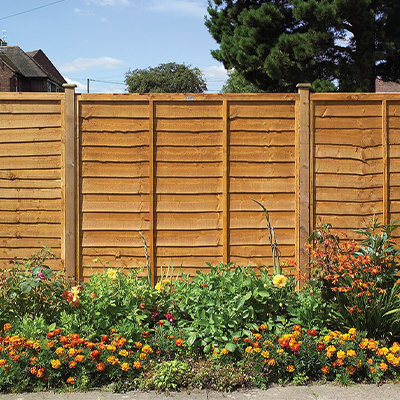
Lap panels are the most budget-friendly style because they use overlapping horizontal boards that require less timber and less precision. Featheredge and slatted styles are positioned higher due to their construction complexity. Decorative panels may add further to the investment but significantly improve kerb appeal.
Size
Standard fence panels come in heights of 3ft, 4ft, 5ft, and 6ft, and widths of 6ft. Taller panels use more timber and are priced accordingly. Panels designed for privacy (solid, featheredge styles) also tend to be higher-priced than open or semi-open designs.
Brand and Quality
Budget panels prioritise price over precision. Higher-quality panels are made from better-graded timber with tighter construction tolerances, which means fewer gaps, straighter edges, and a longer usable life.
Does Thickness Affect Cost?
Board thickness, frame construction and overall panel design all influence rigidity and wind resistance.
Budget lap panels typically have a shallower overall depth with thinner boards and lighter framing, which makes them more flexible. Featheredge styles offer greater stiffness and better privacy. At the premium end, contemporary slatted or double slatted designs tend to use thicker overall construction that improves durability and wind resistance, making them a worthwhile upgrade for more exposed gardens.
If your fence is exposed to wind or you live in a coastal area, investing in a thicker, better-constructed panel, is a worthwhile investment. For sheltered gardens or temporary installations, a standard panel will provide a practical solution.
Are Premium Panels Worth It?
For homeowners seeking improved aesthetics, durability and reduced maintenance, premium panels can represent good long-term value. Premium fence panels offer better aesthetics, longer lifespan, and more robust construction. But "premium" only makes sense when matched to the right situation.
A premium featheredge or slatted panel on a boundary fence with neighbours is a worthwhile long-term investment. The same panel used as a temporary windbreak during a renovation project would be unnecessary. The key is matching quality to purpose.
Composite fence panels, made from a blend of recycled wood fibres and plastic, sit at the top of the price range but offer very low maintenance and are designed for a long service life compared with traditional timber fencing. Selected composite panels are available in MKM branches or online, so it's worth speaking to your local branch to confirm availability and lead times.
Fence Panel Comparison: Styles and Suitability
|
Panel Style |
Privacy Level |
Typical Durability |
Best For |
|
High |
Moderate |
Budget-conscious buyers |
|
|
High |
Good |
Long-lasting boundary fences |
|
|
Low–Medium |
Good |
Modern aesthetics |
|
|
Low |
Moderate |
Decorative or climbing plants |
|
|
High |
Excellent |
Low-maintenance, long-term use |
Durability assumes correct installation and, where applicable, regular timber treatment.
What's the Most Affordable Type of Fence Panel?
Lap panels are consistently the most affordable option. They're constructed from overlapping horizontal boards fixed to a timber frame, and they're widely available in standard sizes. Standard lap panels generally offer lower wind resistance than well-constructed featheredge panels, particularly in exposed locations.
If budget is the primary concern, an entry-level pressure-treated lap panel offers the best balance of cost and longevity, and is the starting point across MKM's range.
Budgeting for a New Fence: A Tiered Guide
|
Budget Level |
Panel Type |
What to Expect |
|
Economy |
Pressure-treated lap panel |
Solid entry-level choice; untreated alternatives exist elsewhere but require more maintenance |
|
Mid-Range |
Pressure-treated lap or featheredge |
Most popular choice; durable, low maintenance, widely available |
|
Premium |
Slatted or composite |
Superior aesthetics, longer lifespan, ideal for exposed or high-visibility locations |
When planning your garden project, consider that material costs scale with the quality and quantity of panels chosen. Posts, gravel boards, post mix, and fixings all add to the total, so always factor these in when calculating your overall budget.
How you buy can be just as important as what you buy. Opening an MKM account gives you competitive pricing, easy online order management, and the choice of delivery or click-and-collect. For tradespeople or anyone with a larger project, a trade credit account adds personalised pricing, flexible credit with up to 60 days interest-free, project tools, and early notice of offers.
What's Involved in Replacing a 6ft Fence?
Replacing a full run of 6ft fence panels involves more than the panels themselves. Here's what to account for:
-
Fence panels (quantity and style based on your privacy needs)
-
Fence posts (typically one per panel, plus one to finish the end of the run)
-
Gravel boards (recommended to protect the base of panels from ground moisture)
-
Post mix or concrete for setting posts securely
-
Fixings, brackets, and capping rails for a professional finish
For most standard garden projects, a combination of pressure-treated featheredge panels, concrete posts, and gravel boards is considered the industry benchmark for durability. Explore MKM's fencing range and accessories to build your shopping list.
What Time of Year Offers the Best Value for Fencing?
Late autumn and winter can often represent good value due to lower seasonal demand, although promotions and regional pricing vary throughout the year. Tradespeople are also more available during this period, which can reduce installation costs if you're not planning a DIY project.
Spring and early summer see the highest demand, and sometimes the longest lead times, as homeowners rush to improve outdoor spaces ahead of the warmer months. If your project isn't time-sensitive, planning purchases for October through February often yields the best value.
DIY or Hire a Tradesperson?
For confident DIYers, fitting fence panels is a manageable weekend project, provided the posts are set correctly and the ground conditions are straightforward. Getting the posts plumb and at the right depth is the part most likely to cause problems, so it's worth taking time here even if the rest of the job is straightforward.
If you're replacing a long run of fencing, dealing with difficult ground, or working close to a boundary shared with a neighbour, bringing in a tradesperson is often the more practical choice. Labour costs vary by region, but having a professional handle installation can also protect against issues with panel warranties that may require correct fitting.
Practical Tips Before You Buy
-
Measure twice: calculate the exact number of panels and posts required before ordering, and add one spare panel if possible.
-
Always use pressure-treated timber for posts — posts are the first point of failure in most fence installations, and treated timber significantly extends their lifespan.
-
Check ground conditions: solid ground suits post mix; soft or waterlogged ground may need longer posts or a different installation method.
-
Use gravel boards: fitting a gravel board beneath each panel prevents the base from rotting and significantly extends panel life.
-
Store panels flat and off the ground if not installed immediately, to prevent warping.
Your Next Step
MKM supplies fence panels and fencing accessories through an extensive branch network across the UK, making it easy to collect what you need locally or arrange delivery to your site. Whether you're ordering a handful of replacement panels or a full project's worth of fencing, timber, posts, and fixings, MKM's teams can advise on the right products for your specific requirements.
Find your nearest MKM branch or explore the full fencing range at MKM.com to get started.
Up Next