


Bricks & Blocks per m²: How Many Do I Need? | MKM
Published on November 19, 2026
Posted in Advice & Reviews
by MKM
4 min read
Brick and Block Calculator: Quantities per m²
Working out how many bricks or blocks you need shouldn't hold the job up. Whether you're pricing a wall, getting materials ordered or checking you've got enough on site, a few straightforward calculations will give you a solid estimate.
For a standard UK brick measuring 215 x 102.5 x 65mm, laid with a nominal 10mm mortar joint, you'll need around 60 bricks per m² for a single-skin or half-brick wall. For a full-brick or double-skin solid wall, a commonly used estimating figure is around 120 bricks per m².
Concrete common bricks (65mm): Usually packed in quantities of 400 to 448 per pack (e.g., Marshalls or standard concrete commons).
Clay common and multi bricks (65mm): Commonly packed in quantities of 330 to 500 per pack (e.g., Ibstock or multi-clay packs of 452 or 500).
Pre-war / larger common bricks (73mm): Often packed in quantities of 500 per pack.
Here’s how to work out what you need.
How many bricks per m²?
For standard UK metric bricks:
|
Wall type |
Approx. bricks per m² |
|
Single-skin / half-brick wall |
60 |
|
Double-skin / full-brick solid wall |
120 |
These figures are based on standard 215 x 102.5 x 65mm bricks and nominal 10mm mortar joints.
Remember, 60 bricks per m² is your starting point, not necessarily your final order quantity. You'll also need to account for cuts, breakages and waste.
Looking for the right materials for the job? Browse our range of bricks.
Brick calculator: how many bricks do I need?
For a straightforward half-brick wall, use:
Wall length x wall height = wall area in m²
Then:
Wall area x 60 = number of bricks
For a single-skin wall:
12 x 60 = 720 bricks
You'd therefore need approximately 720 bricks before allowing for waste.
If you have doors, windows or other large openings, calculate their area and subtract this from your overall wall area before working out your brick quantity.
How much waste should I allow for bricks?
It's sensible to order more than your exact calculated quantity.
An allowance of around 5–10% is commonly recommended to account for cuts and breakages.
How many bricks are in a pack or pallet?
There's no single answer here. Pack and pallet quantities vary depending on the brick and manufacturer, so don't assume every pack contains the same number.
Check the product information for your chosen brick before ordering and then divide your required quantity by the number of bricks supplied per pack.
For example, if your calculation says you need 792 bricks:
792 ÷ bricks per pack = number of packs required
Always round up to the next full pack where necessary.
You can check the available pack information while choosing from MKM's range of bricks.
How many concrete blocks per m²?
Blocks work in exactly the same way in principle, but the quantity per square metre depends on the dimensions of the block and the mortar joint.
Instead of relying on one figure for every block, use:
1m² ÷ face area of the block including its mortar joints = blocks per m²
Then multiply this by the total area you're building.
Because block dimensions can vary, always check the dimensions of the particular product you're using before ordering.
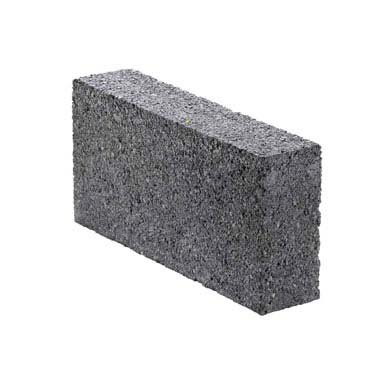
Pack quantities also vary by block type and manufacturer. As a general guide, standard 440 x 215 x 100mm blocks are often supplied in packs of around 80–100. For example, some blocks available from MKM are supplied in packs of 84 or 96. Always check the individual product information before working out how many packs you need.
Block quantity example
For a 12m² wall using standard 440 x 215mm blocks, allow approximately 10 blocks per m²:
12m² x 10 blocks = 120 blocks
You would therefore need approximately 120 blocks before allowing for cuts, breakages and waste. With a 5–10% waste allowance, you would need approximately 126–132 blocks. Divide this figure by the number supplied in each pack and round up where full packs are required.
Find what you need in our range of concrete blocks.
How to calculate bricks and blocks for a wall
For a quick estimate:
1. Measure the wall
Multiply its length by its height to calculate the total area in square metres.
2. Subtract openings
Calculate the area of doors, windows and other significant openings and subtract them from the total.
3. Calculate your quantity
For standard metric brickwork, use approximately 60 bricks per m² for a half-brick wall.
For blocks, calculate using the dimensions of the particular block you're buying.
4. Add your waste allowance
Add around 5–10% for cuts and breakages, depending on the job.
5. Check the pack quantity
Divide your final quantity by the number supplied in a pack or pallet and round up to the next full pack.
What about mortar?
Don't forget to factor mortar into your material quantities as well.
The amount you'll need depends on factors including the brick or block dimensions, joint thickness, wall construction and the mortar being used. Rather than relying on one figure for every job, calculate the mortar requirement alongside the masonry quantity.
As an initial estimating guide, allow approximately 0.50m³, or 500 litres, of wet mortar per 1,000 standard bricks. For standard 100mm blockwork, allow approximately 0.008–0.012m³, or 8–12 litres, per m². Actual quantities will vary depending on the brick or block dimensions, joint thickness, workmanship, wall construction and the amount of waste, so check the requirements for your specific job before ordering.
For more guidance, see our Mortar mixes: designations, ratios and sand choice guide.(Link once the planned blog is live.)
What about cavity walls?
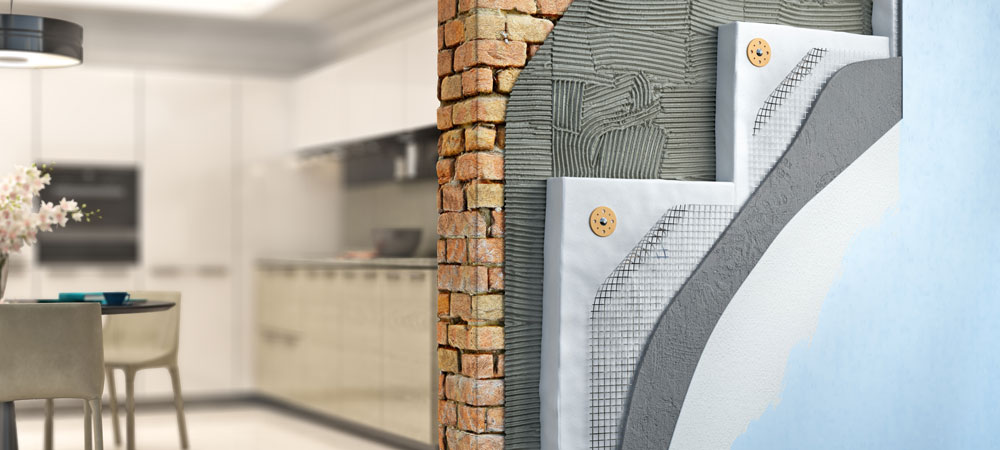
If you're working on a cavity wall, your calculation needs to account for the separate leaves of the wall rather than treating it as a single layer of masonry.
You'll also need the appropriate wall ties as part of the construction.
For a standard cavity wall consisting of a brick outer leaf and a block inner leaf (with both leaves ≥ 90mm thick), the UK Building Regulations (Approved Document A) require a minimum density of 2.5 wall ties per square metre.
Cavity wall quantity example
For a 12m² standard cavity wall with a brick outer leaf and a block inner leaf, you would need approximately:
720 standard bricks for the outer leaf: 12m² x 60 bricks
120 standard blocks for the inner leaf: 12m² x 10 blocks
30 wall ties as a minimum general estimate: 12m² x 2.5 ties
You should then add the appropriate waste allowance to the brick and block quantities. Additional wall ties may also be required around openings, at unbonded edges and in other specified areas, so always follow the project details and relevant installation guidance.
For more information, see our Cavity wall construction: wall ties, spacing and detailing guide.
Quick brick quantity guide
|
What you're working out |
Quick guide |
|
Standard UK brick size |
215 x 102.5 x 65mm |
|
Half-brick wall |
Approx. 60 bricks per m² |
|
Full-brick solid wall |
Approx. 120 bricks per m² |
|
Waste allowance |
Around 5–10% |
|
Packs/pallets required |
Total bricks ÷ pack quantity, rounded up |
The standard brick dimensions and quantities above assume nominal 10mm mortar joints.
As a quick setting-out check, a standard 65mm brick with a nominal 10mm mortar joint gives a course height of approximately 75mm. This means four courses of brickwork should measure approximately 300mm.
These quantities and setting-out measurements may differ when using non-standard or imperial-size bricks, particularly when matching existing brickwork on an older property. Always check the actual brick dimensions and required joint size before calculating your quantities.
FAQs
How many bricks are in a m²?
You generally need around 60 standard UK bricks per m² for a half-brick wall, based on standard 215 x 102.5 x 65mm bricks with 10mm mortar joints.
How many bricks do I need?
Multiply the wall's length by its height to get the area in m². Subtract major openings, multiply the remaining area by the bricks required per m² and then add an allowance for waste.
How many bricks do I need for 10m²?
For a half-brick wall using standard UK bricks, 10m² x 60 = approximately 600 bricks before waste. With a 5–10% allowance, that would be approximately 630–660 bricks.
How many bricks are in a pack?
This varies by brick and manufacturer. Check the individual product information before ordering rather than using one standard pack quantity.
How many concrete blocks per m²?
It depends on the dimensions of the block you're using. Calculate the face area of the block including its mortar joints, then divide 1m² by this figure to estimate the number required.
Should I order extra bricks?
Yes. An allowance of around 5–10% is commonly recommended for cutting and breakages.
Get the right amount for the job
A good materials estimate means fewer delays, fewer last-minute runs for extra materials and less left over once the job's done.
Once you've worked out your quantities, explore MKM's ranges of bricks, concrete blocks and wall ties. Select your local MKM branch to check local pricing and availability, or open a trade account to access trade benefits and make managing your materials easier. If you're unsure what you need, speak to your local MKM team for practical advice.
Shop bricks - https://mkm.com/category/building-materials/bricks
Shop concrete blocks - https://mkm.com/category/building-materials/blocks/concrete-blocks
Shop wall ties - https://mkm.com/category/building-materials/builders-metalwork/wall-ties